
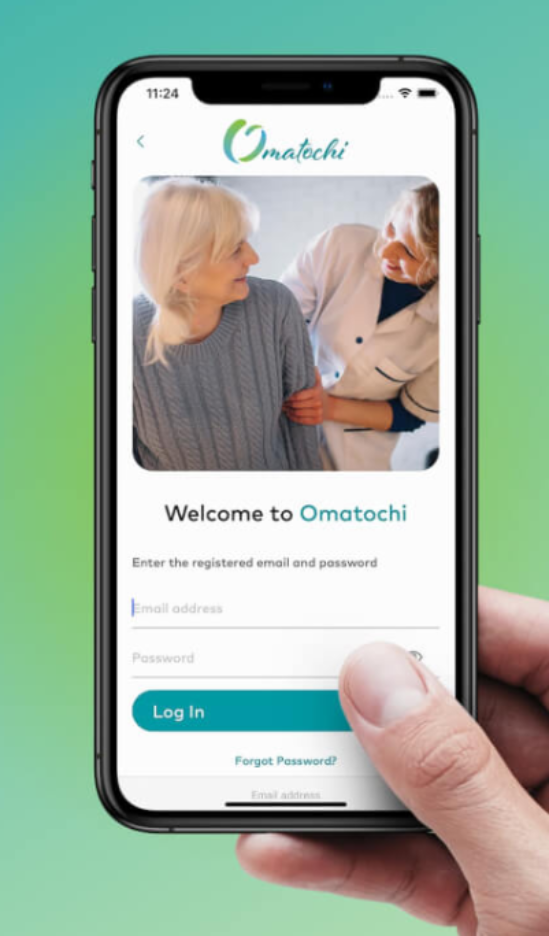
For families of aging adults, staying informed about a loved one’s day-to-day care can be an uphill battle. Omatochi founder and CEO Deka Dike developed a family-facing app designed to bridge that divide, giving relatives direct visibility into the daily routines, meals and medication adherence of low-income seniors.
The technology-enabled home care provider is now preparing for its next phase of growth, with plans to expand geographically and serve new populations. Those opportunities have been shaped, in part, by California’s expanding Medi-Medi Plans and the changes they are bringing to care management.
Dike founded Omatochi after caring for her father. She said she saw a need for a different approach to in-home care and decided to bootstrap the company.
“There’s this huge communication gap when seniors are being taken care of. Their families don’t even know what’s going on,” Dike said. “A lot of other apps focus on the agency and how to make the agency operational. But the family app actually focuses on the families.”
Omatochi provides Medicaid-reimbursed technology-enabled home care to low-income older adults. The company, which began with three full-time employees, now has over 500 employees. The name “Omatochi,” is a combination of Dike’s children’s names.
Within the app, family members can see whether the person receiving care took their medication, how they spent their day, what they ate, and more.
The company’s tech stack also includes AI integrated into its workflows, including its electronic health record (EHR).
Plans for growth
Omatochi began serving its current client population full time in January 2024 and now operates in 14 counties, mostly in Northern California. Dike said the company was in the process of hiring an executive in Southern California to lead its expansion there.
“California is 10% of the U.S. market, so we have a long, long way to go,” Dike said. “So SoCal is our next stop.”
The need for services in California is substantial, Dike said, and Omatochi has barely scratched the surface of the potential market.
Dike plans to expand Omatochi’s client base to include people dually eligible for Medicare and Medi-Cal. Separately, the company plans to serve people with disabilities through California’s regional-center system. Dike said California’s Medi-Medi Plans — a type of Medicare Advantage Dual Eligible Special Needs Plan, or D-SNP — helped inform Omatochi’s plans to serve dual-eligible beneficiaries.
The California Department of Health Care Services expanded Medi-Medi Plans from 12 counties to 41 counties in 2026, making them available for enrollment in most California counties. The plans combine Medicare and Medi-Cal benefits under a single health plan and care team, with a unified set of benefits and provider network. They include all Medicare Part A, Part B and Part D benefits, as well as Medi-Cal benefits.
While the Medi-Medi plans allow members to have one coordinator, they also narrow a beneficiary’s choices, Dike said in an email.
“[People whose] plans didn’t match had to move, risking the loss of doctors they’d had for years,” Dike told HHCN in an email. “In California, people in these plans now generally get care management from the health plan rather than through Enhanced Care Management, the Medi-Cal benefit that community organizations like mine deliver. When the program tripled in January, care management for a large share of the dual population quietly changed hands.”
As Omatochi grows, Dike said technology will remain a tool to support — rather than replace — the people providing care.
“Technology makes everything better,” she said. “Of course, it does not replace care; it would never replace care. But when you merge those two, it becomes easier to care.”