
On March 18, 1995, Chicago Bulls legend Michael Jordan ended his year-plus retirement from the NBA by releasing a famous two-word statement: “I’m back.”
Well, Home Health Care News readers – I’m back (with more than two words)! After posting my last HHCN story in 2024, here I am, popping into your inbox with this week’s HHCN+ Update. And as strange as it may sound, I’m writing about Saturday Night Live.
Home-based care providers face an awkward business reality. Families need their services, but the cost of buying enough care can put those services out of reach. The alternative is often a relative filling the gap, sometimes at considerable personal expense.
SNL recently exposed that financing problem with a mock advertisement. Its solution requires no insurance authorization, has unlimited availability and comes with a nonexistent payroll: “Sister.”
“But a private health aide could cost thousands a week. I didn’t know where to turn,” a character explains in the sketch, before discovering the family’s alternative. “Sister is a live-in 24/7 elder care provider that is completely free – and also your sister.”
Broadly, the sketch explores the gendered expectation that a daughter will rearrange her life to care for aging parents while her siblings remain enthusiastically available for moral support.
For home-based care operators, I see an ongoing business case underneath the satire. Providers don’t necessarily need to replace family caregivers to build valuable services. Helping those caregivers manage – through respite, coaching, navigation and financial support – can be the service itself.
In this week’s exclusive, members-only HHCN+ Update, I examine:
— What “Sister” gets right about family caregiving
— Why providers should take caregiver-support services seriously
— Where the economics of respite care become challenging
The cost of care
“I love my mom more than anything,” a character in the SNL sketch says. “That doesn’t mean I want to help her in the bathroom. Sister doesn’t either, but she will, whereas I won’t.”
That arrangement is incredibly common in the U.S. Responsibility defaults to the person expected to accept it, not necessarily the person with the time, resources or training.
Recent KFF findings put some numbers around this. According to KFF, about 29% of U.S. adults have provided unpaid care to a friend or relative in the previous year because of aging, disability or a chronic health issue. Women represent 57% of those caregivers.
Among caregivers providing more than 15 hours weekly, 51% reported worsening mental health, 47% worsening physical health and 41% financial strain.
These findings cover more than care for older adults. Still, they describe a vulnerability that providers serving older adults should recognize. The person helping hold a care plan together may be struggling to maintain it.
The economic loss is substantial, too.
AARP’s “Valuing the Invaluable 2026” research estimates that family caregivers of adults contribute 49.5 billion hours annually, with a replacement value of $1.01 trillion. Most of that work is unpaid.
Caregiving also changes what families can afford. A separate AARP report released this month projects average lifetime losses of $120,500 in earnings and retirement benefits among working caregivers born between 1981 and 1985.
A market for relief
In AARP and the National Alliance for Caregiving’s 2025 research, 39% of family caregivers of adults said respite would be helpful, but only 13% used it.
That gap suggests an opportunity.
It does not establish how much families will purchase, at what price or how frequently, however.
CareScout’s 2025 Cost of Care Survey put the national median hourly price for nonmedical caregiving at $35. At that benchmark, 4 hours would cost $140 before any additional charges. That is a smaller commitment than extensive weekly coverage, yet smaller is not the same as affordable.
There could be operational constraints to consider as well.
A respite-focused business still needs recruiting, screening, training, scheduling, supervision and customer acquisition. If families purchase occasional short visits, those costs must be supported by relatively few billable hours per relationship.
A provider might have substantial demand on paper while struggling to assemble workable schedules.
A 2025 Activated Insights article cited a median home care agency profit margin of 9.7%. That is not a respite-specific benchmark, but it underscores why operators cannot assume much room for inefficient delivery.
I actually think this is an area where AI can help move the needle. If providers of respite care or low-hours plans can become 5 times more efficient, perhaps such services will become less of a headache to offer.
Arguably, this was the thesis for some of the home care startups of yesteryear. But today’s AI world looks very different from the days of HomeHero. (Aside: Not only do you get a surprise byline from me with this Update, but you also get a link to a 2017 story written by HHCN’s founding editor, Amy Baxter. What a bonus!)
My view is that a standalone model can be viable, but its strongest version likely looks less like an emergency staffing service and more like a recurring business: predictable coverage blocks, concentrated geography, dependable referral channels and practical rates that cover the cost of delivery.
Minimum visits and cancellation policies can protect those economics, perhaps. They can also make the service less useful to families needing brief or unpredictable relief.
The ancillary case is stronger
I see a more straightforward case for respite inside an established home care business.
An existing operator already has much of the necessary infrastructure. Adding recurring respite clients could spread administrative costs over additional revenue and fill otherwise usable openings in caregiver schedules.
“Could” is the key word. Adding scattered visits that create travel, overtime or additional office work is not automatically efficient just because the company already owns scheduling software.
Again, this is where AI could help.
What’s more, there is also a potential relationship advantage. A family may not be ready to purchase extensive personal care but may welcome dependable coverage every Thursday afternoon.
That gives the provider an opportunity to demonstrate reliability before needs increase.
I do still think respite can succeed without becoming a sales funnel for more intensive care.
And there’s also a case for payers supporting such models, at least ones managing the total cost of care for a population.
A Colorado respite impact study found reductions in other health care costs among the Medicaid beneficiaries it analyzed. But the estimated reductions did not cover the cost of respite itself.
Building around the caregiver
Careforth offers one example of what happens when the family caregiver becomes central to the business model rather than an assumed resource.
Through Structured Family Caregiving, the company combines payment for eligible caregivers with coaching, personalized support plans and connections to resources. Its teams include nurses, social workers and other specialists.
The model generally serves Medicaid-eligible adults who need help with daily activities and live with their caregiver.
The appeal is different from traditional agency support. Instead of supplying every hour of hands-on care, Careforth supports the person already providing it.
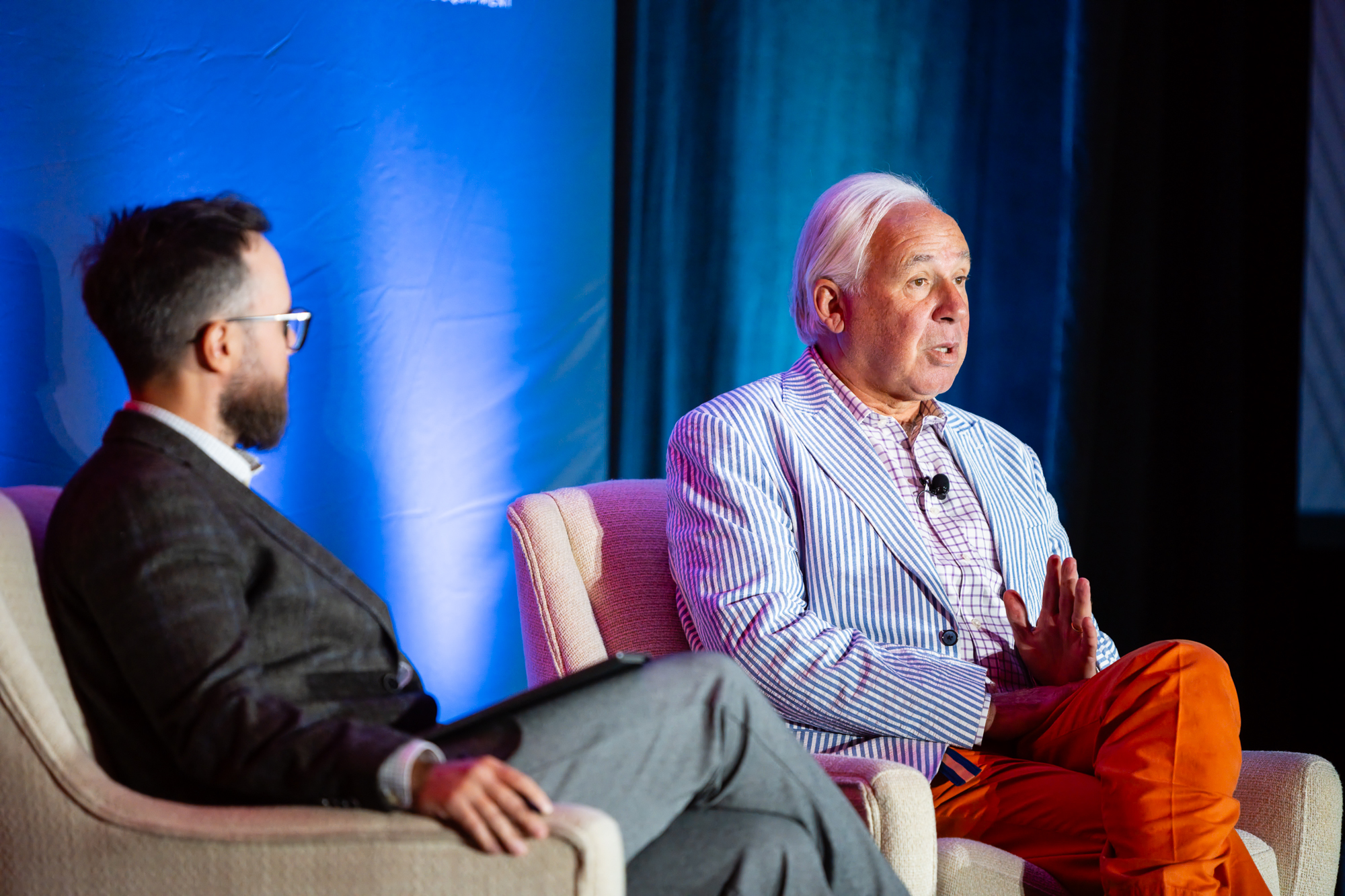
“Why aren’t we using all the resources at hand?” Careforth CEO Paul Kusserow told me on stage at HHCN’s FUTURE conference. “Why aren’t we using the people [who] love these people, training them how to do things right and having them do everything but the clinical?”
Many home care providers have respite care as a service, including Home Instead. Its respite offering explicitly markets relief for family caregivers, ranging from a few hours weekly to more frequent assistance. Services include personal care, transportation, companionship and meal preparation, with plans built around household routines.
There are also companies like ianacare and Wellthy.
In part, I wanted to write about “Sister” because I saw so many of you post about it on LinkedIn.
There’s a no-doubt opportunity in helping families preserve the care arrangements they already have – without making one daughter’s unlimited availability the central operating assumption.