
As hospitals and health plans tap home health providers to manage more complex patients and reduce readmissions over longer periods, referral volume alone is no longer enough to define a successful partnership.
Those partnerships must factor in the cost of caring for higher-acuity patients and the growing expectation that providers coordinate care beyond the home health episode, industry leaders said during a panel at FUTURE conference in August.
“What I am seeing is there’s a definitive need for home health companies to go upstream,” Casey McKeon, president of CenterWell Home Solutions, told HHCN at FUTURE. “However, our reimbursement models and the way we’re recognized in terms of how we’re paid isn’t allowing us to do that, and others are actually filling that gap by taking full financial risk on these at-risk patients.”
Atlanta-based CenterWell provides home health, skilled nursing care, primary care and other services across 38 states. CenterWell Home Health is the provider services unit under the health insurance giant Humana (NYSE: HUM).
Expectations are expanding beyond the home health episode, McKeon said. Health plans ask home health providers to help prevent readmissions over longer periods, which can include coordinating a patient’s transition to other care providers.
“We’re not thinking 30, 60 days. We’re thinking 180 days, and more importantly, we know that’s beyond, in some cases, when you’re recertified for care,” McKeon said. “But how can you then transition that patient to our primary care record or to a partner that we work with in high-risk value-based care, so that patient doesn’t readmit during the gap?”
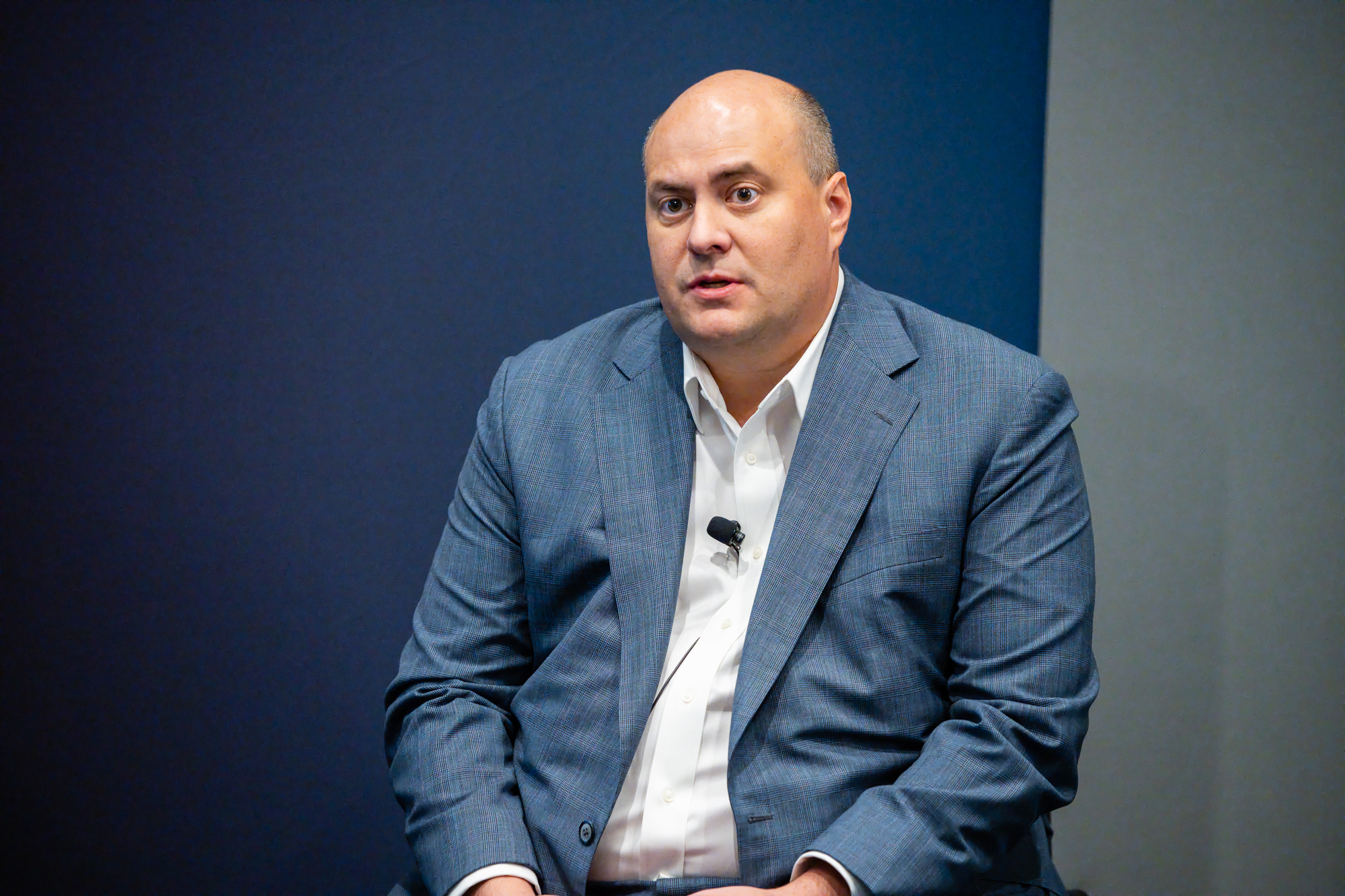
Providers such as CenterWell are seeing a growing interest in preventing readmission. Though this is not always financially incentivized, they’re asked to go upstream in the care continuum and take on more of the burden.
“Our world of what we’re at risk for and what we’re expected to deliver — and hopefully the associated reimbursement we’re getting — will allow us to start to do more longitudinally for the patient, and you’re starting to see that mindset shift in our partners,” McKeon said.
However, current reimbursement models do not sufficiently support home health providers in caring for patients over those longer periods, McKeon said.
“It’s one thing to get a recert in another 60 days with the patient, but … that patient needs chronic care in the home for a long time, and there need to be economic models where health plans are willing to work with us on those things, and the federal government to allow us to do that,” McKeon said.
The cost of higher acuity patients
Referrals for higher acuity patients can drive up costs, said Dean Alverson, president and CEO of LifeCare Home Health Family.
“If you have a higher acuity population, you have to have more dollars to care for those patients than maybe the next guy,” Alverson said. “You have to price that into your relationship with [referral partners], and if you don’t, you’re going to take it on the chin.”
LifeCare Home Health Family, based in Irving, Texas, provides home health, hospice and private duty services across Texas, Florida, Georgia, Nevada and Arizona.
Providers can improve profitability by being more selective about the patients they accept, even if that means slower revenue growth, Alverson added.
Therefore, referrals need to be evaluated against the economic interest of the provider, Alverson said. He suggests screening patients on the front end to avoid taking on long-term cases that are not financially sustainable under existing arrangements.
“Those chronic care patients don’t have long-term solutions yet, and that’s a problem here in the United States because of the cost associated with the chronic care,” Alverson said.

Ultimately, pricing should be appropriate, Alverson noted. Since higher acuity care tends to cost more, providers should negotiate rates that reflect the resources required to care for more complex patients.
Alverson pointed to LifeCare’s high-acuity patient population in San Antonio, saying the company gets compared with providers caring for less complex patients. Ensuring that there is room to discuss pricing, and pricing care appropriately, ultimately helps the sustainability of providing care.
“We should stop undermining our own efforts there to have good profitability and good returns, so that we can reinvest in better quality care,” Alverson said.