
Home-based care providers are facing a significant surge in fraud enforcement, but the heightened scrutiny may also provide compliant operators an unexpected way to stand out.
To differentiate themselves from fraudulent operators, home-based care providers are placing greater emphasis on documentation, audit readiness, accurate enrollment records and policy reviews to highlight their regulatory compliance, industry leaders said during a FUTURE panel in August.
“It used to be that there was a finding of fraud, and then you were charged, and then they took action on that enforcement,” said Katie Wehri, vice president of regulatory affairs, quality and compliance for the National Alliance for Care at Home (the Alliance). “What’s happening now is they’re going after folks without a finding of fraud.”
The Alliance, based in Alexandria, Virginia, is a member network of more than 2 million home health, hospice, Medicaid home- and community-based care and other professionals in the home-based care space.
Providers are contending with increased oversight, enrollment restrictions and proposed changes to affiliation disclosures. Wehri said home-based care operators could also face suspensions or revocations based on location or business ties.
That approach can make it difficult to distinguish compliant providers that make mistakes from entities engaged in intentional fraud, said Gayle Devin, CEO of Home Care Delivered.
“We’ve been in business for 30 years. Do we make mistakes? We do,” Devin said. “But there’s a difference between a mistake and patterns.”
The Centers for Medicare & Medicaid Services (CMS) should ideally look at the data showing where fraud occurs and take actions to correct patterns of intentional scams, Devin said. Compliant providers who have made a mistake and might need only re-education should be treated differently from bad actors purposely enacting illicit activity.
Richmond, Virginia-based Home Care Delivered is a specialty medical supplier that partners with home healthcare companies, physicians and other healthcare providers to deliver medical products to patients’ homes.
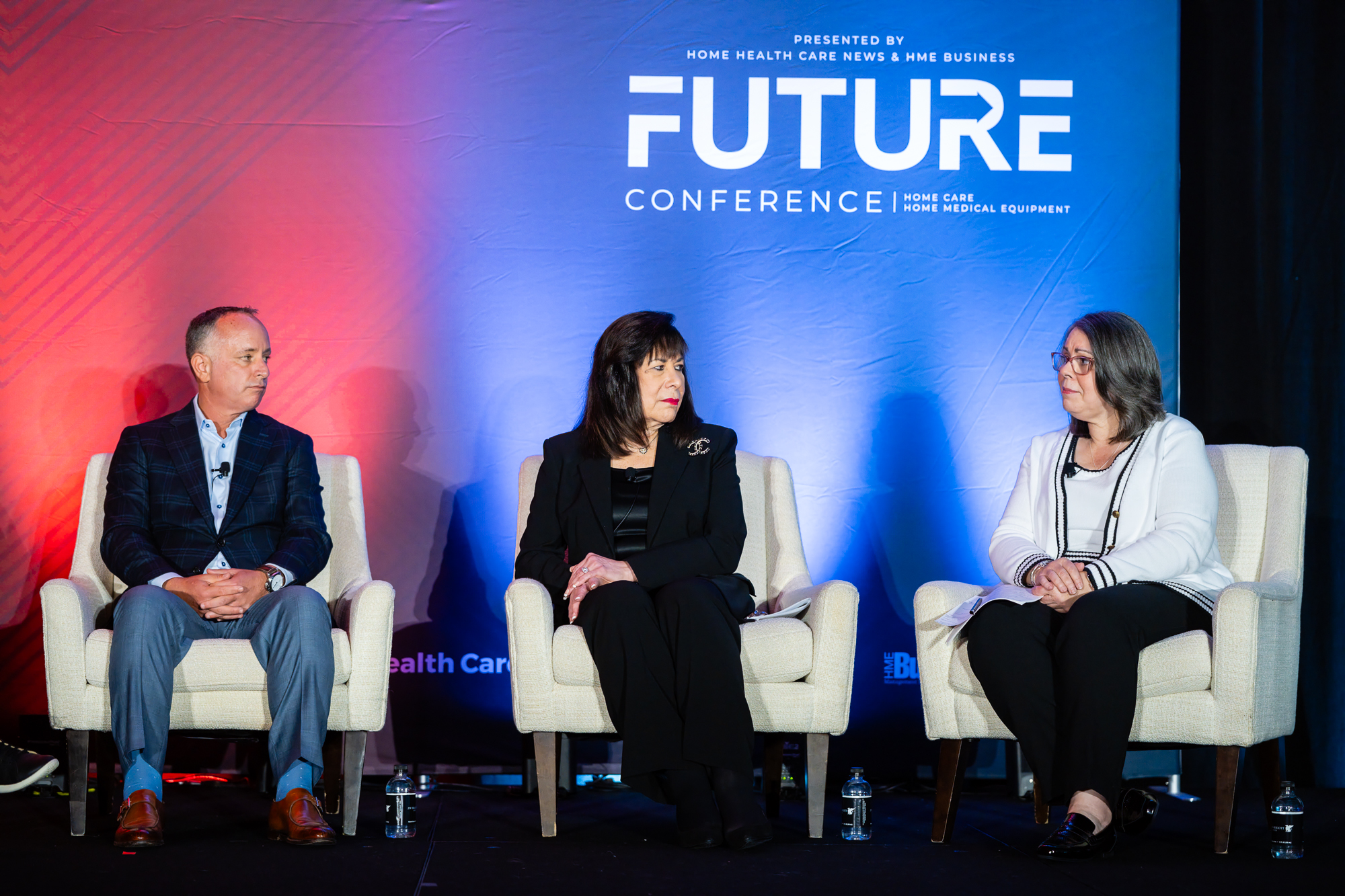
However, the current climate of aggressive fraud enforcement will likely not go away any time soon, said Brian Holzer, CEO of Freedom Senior Services. As a result, companies must always be prepared for compliance checks.
For instance, Freedom Senior Services plans to implement unannounced internal audits to ensure the company is always ready, Holzer said.
“If you cannot prepare your company for increased scrutiny and regulatory oversight, it might be a good time to sell to someone who can,” Holzer added.
Louisville, Kentucky-based Freedom Senior Services provides home care, adult day healthcare and other services across Kentucky, Ohio, Pennsylvania, Tennessee and Indiana.
Welcoming differentiation
Despite the higher intensity and stakes of the fraud crackdown, the enforcement environment offers an opportunity for compliant providers to differentiate themselves, Wehri said.
“This broad brush has been placed upon all of us, and all these providers are now doing the wrong thing, assumed to be fraudulent,” Wehri said. “Now is an opportunity to show how you’re different, and you are not falling into this bucket that CMS and others have created.”
Providers can differentiate themselves by explaining to CMS why they may be an outlier, Wehri said. For example, an agency could show that it is filling a gap in care and demonstrate the value of its approach. Providers can also differentiate themselves with customers by showing that they have not faced revocations or suspensions.
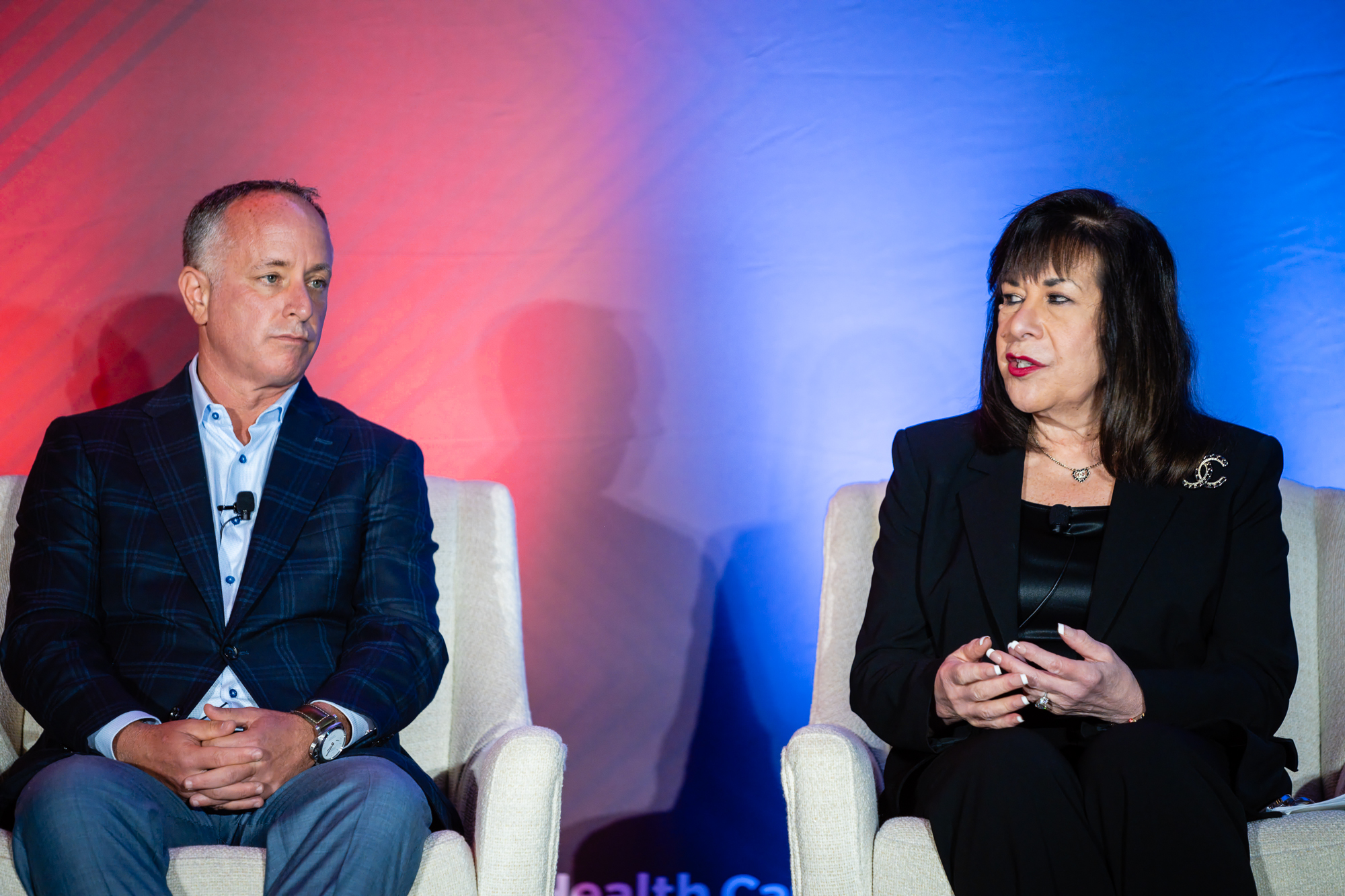
Some providers may also welcome the opportunity for scrutiny, Holzer said.
“I would think any operator that aspires to run a platform company in the space would say that we welcome the increased scrutiny,” Holzer said. “There is an enormous amount of fraud, waste and abuse, and any good operator would say, ‘We want to be rewarded for doing it the right way, for the investments we make and for the culture we create.’”
Other providers, such as Home Care Delivered, are using this opportunity to become more proactive than reactive, according to Devin.
For instance, the number of unannounced surveys and volume of audits have increased, Devin said. So the company responded with more vigilance for verification eligibility, ensuring that the company meets all policy guidelines and scrubbing all claims.
Overall, home-based care companies should keep their employees informed of all regulatory changes and how they can remain compliant, Devin said. Companies can leverage technology to assist with compliance and policy reviews, but human oversight remains essential
“My advice for companies is: Compliance is key, and it has to be embedded in every aspect of the organization,” Devin said. “It’s important that your employees not only know their role and their function, but understand the regulated environment that they’re operating in.”